CyberSec: Exploring the Landscape, Tools and Hardware Exploits
San, Praneel
•
24 September 2026
•
3 mins
welcome
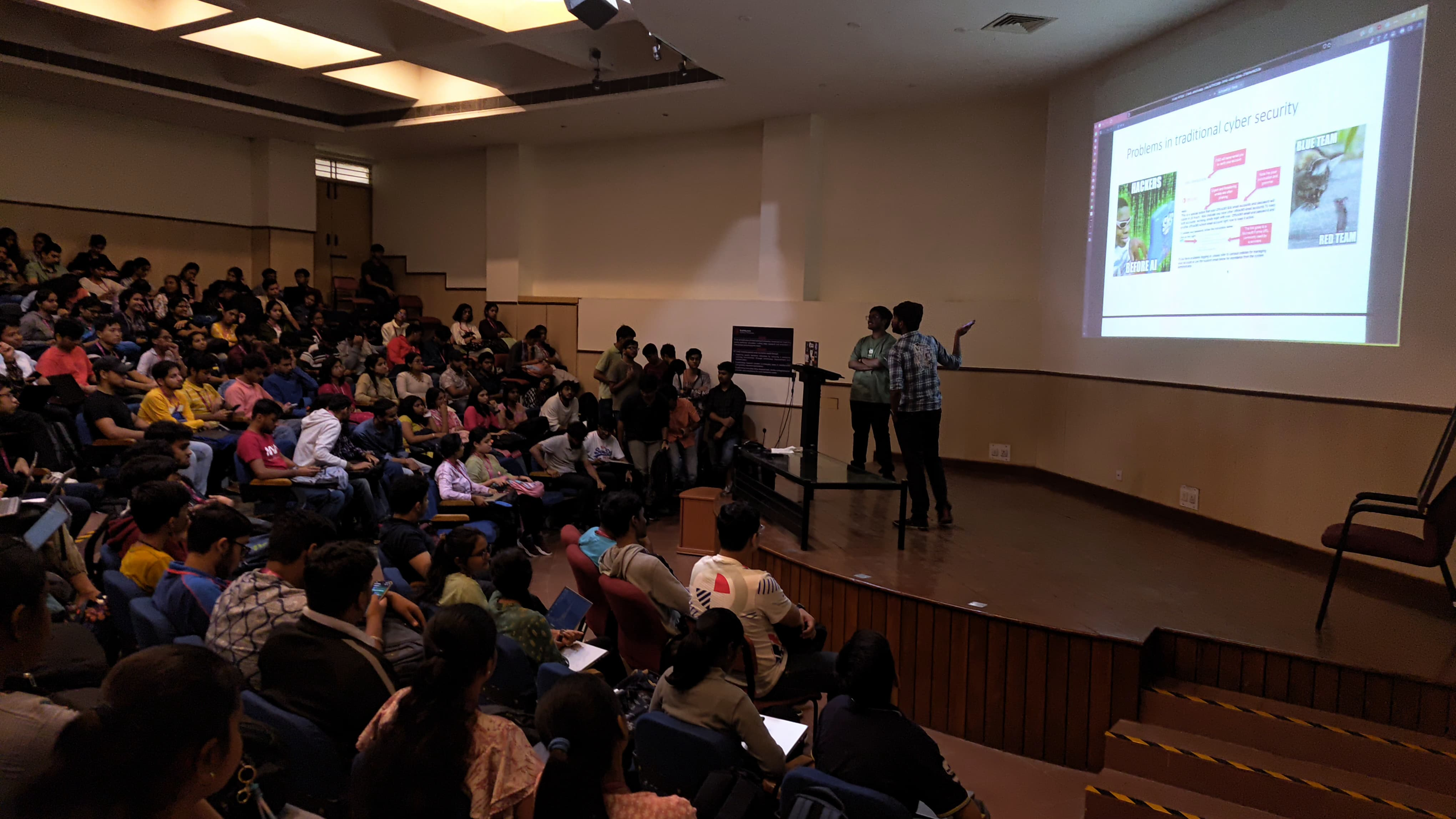
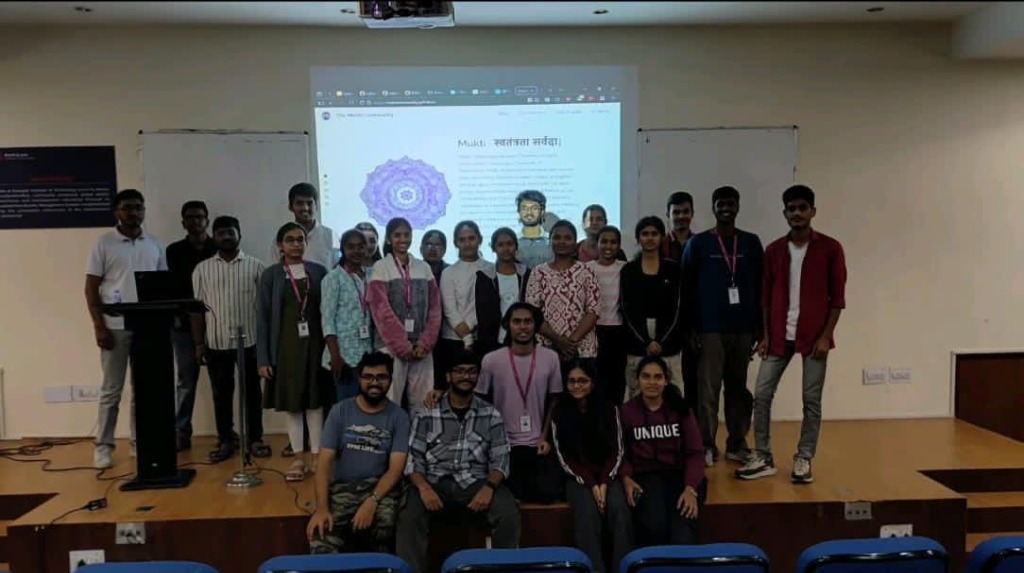
On 24th September 2026, Mukti conducted a session on the cybersecurity landscape, essential tools, and hardware exploitation. Here is an overview of what was covered during the event.
what to expect
- What do Cyber-Security professionals actually do?
- Importance of Linux in Cyber-Security
- What is “the chain of topics” or “the art of exploring”?
- Platforms to learn and explore from
- Black box learning
- Cyber tools
- Industry accepted certificates in Cyber-Security
- Demonstration of Strom-Breaker and Pico Ducky (USB dead-drop)
- Project Mania
what do cyber-security professionals actually do?
The industry jobs:
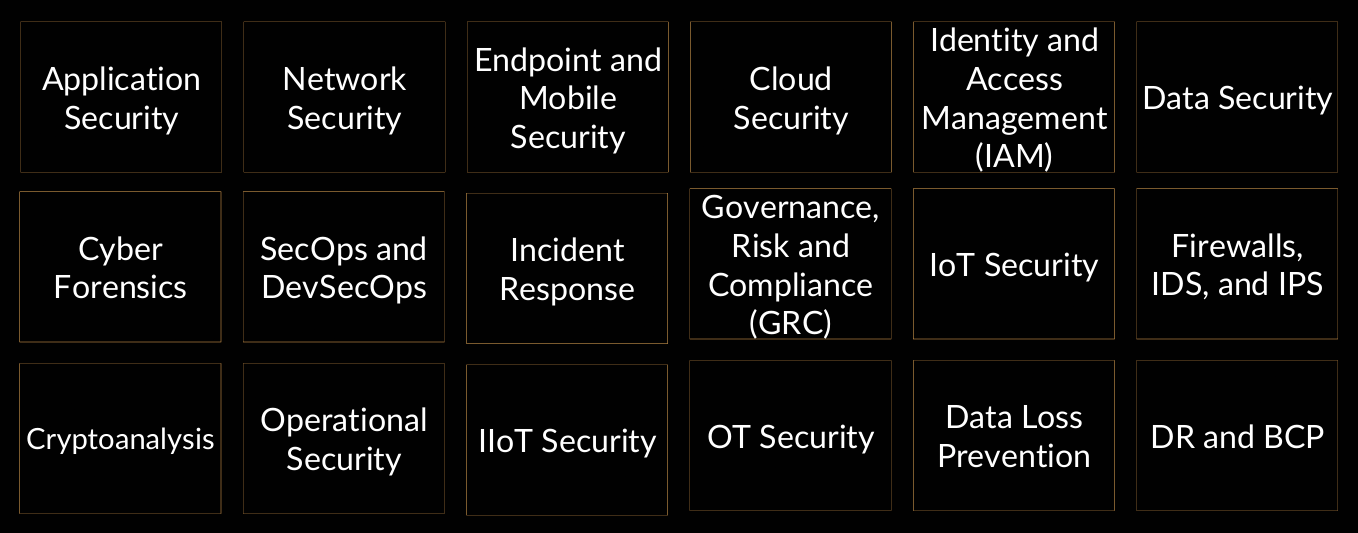
A few key areas:
- Application Security & DevSecOps: Securing web apps and build pipelines
- Network Security & Firewalls/IDS/IPS: Traffic monitoring and network boundaries
- Endpoint & Mobile Security: Securing workstations, laptops, and mobile devices
- Cloud Security & IAM: Identity and access management in cloud environments
- Cyber Forensics & Incident Response: Breach analysis, log auditing, and recovery
- Governance, Risk and Compliance (GRC): Security auditing and regulatory compliance
- IoT & OT/IIoT Security: Securing hardware, sensors, and operational infrastructure
- Cryptanalysis & Data Loss Prevention (DLP): Protecting sensitive records and keys
The above mentioned are ethically encouraged jobs for Cyber-Security professionals.
linux in cyber-security
- Community Support: Massive global community maintaining open-source tools and documentation.
- Open-Source: Full control and visibility into system internals and networking.
- Stable and Patch Management: Quick patch deployment and system updates.
- Dedicated Tools and OS: Specialized operating systems like Kali Linux with built-in security toolkits.
chain of topics or art of exploring
One common question when getting started is “where do I start?”. The best approach is to start building directly.
When exploring through projects, one topic naturally sparks curiosity into the next:
- Socket programming leads to inspecting network packets
- Packet inspection leads to discovering encryption like TLS
- TLS leads to asymmetric keys and hashing
- Hashing leads to building practical tools like a password manager
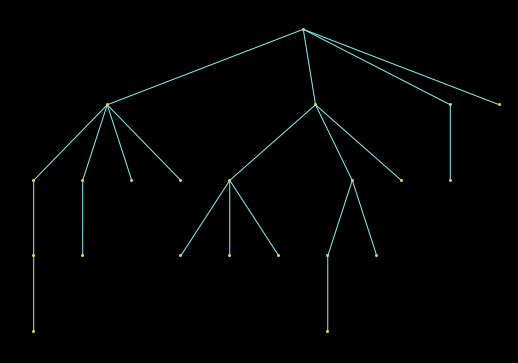
Building projects and following this “chain of topics” expands your intuition much faster than just passively watching tutorials.
websites to learn from
- MIT course: missing sem: The missing semester of your CS education (CLI, tools, shell scripting)
- Cryptographic programming: Cryptopals: Practical challenges on cryptography and broken ciphers
- Learning Platform: TryHackMe: Guided hands-on rooms and labs
- OG CTF Platform: Pico CTF: Beginner-friendly Capture-The-Flag challenges
- Advanced CTF: Microcorruption: Embedded security and assembly language debugging
black box learning and cyber tools
Black box learning means using a tool or library first to see results without getting blocked trying to learn every internal detail upfront.
A few cyber tools demonstrated:
- Username lookup: maigret - Search usernames across social platforms
- Create Phishing websites: zphisher - Phishing simulation tool for awareness
- Spy tool: Strom-Breaker - Permission and social engineering testing framework
- Check for leaks: haveibeenpwned - Check if personal credentials were leaked online
demonstration: strom-breaker + zrok + pico ducky
We demonstrated how physical hardware and remote tunneling work together:
- Hosting with zrok: Used zrok to host Strom-Breaker locally and tunnel it publicly without router port-forwarding.
- Pico Ducky payload deployer: Converted a Raspberry Pi Pico into a Pico Ducky. When plugged into a machine, it is recognized as a trusted USB keyboard (HID), executes keystroke payloads, and triggers the link via the zrok tunnel in seconds.
industry accepted certificates in cyber-security
- Isc2’s SSCP
- AZ500 by microsoft
- CEH by EC-council
- CompTIA (Security+ / Network+)
project mania
Lets get our hands Dirty!
- Please hack the link: satark_4 CTF
credits
San, Praneel, Mukti Core